
Why the way we heat chemistry matters
A promising reaction is only the beginning. Turning it into a useful process means understanding how energy, materials and engineering work together.
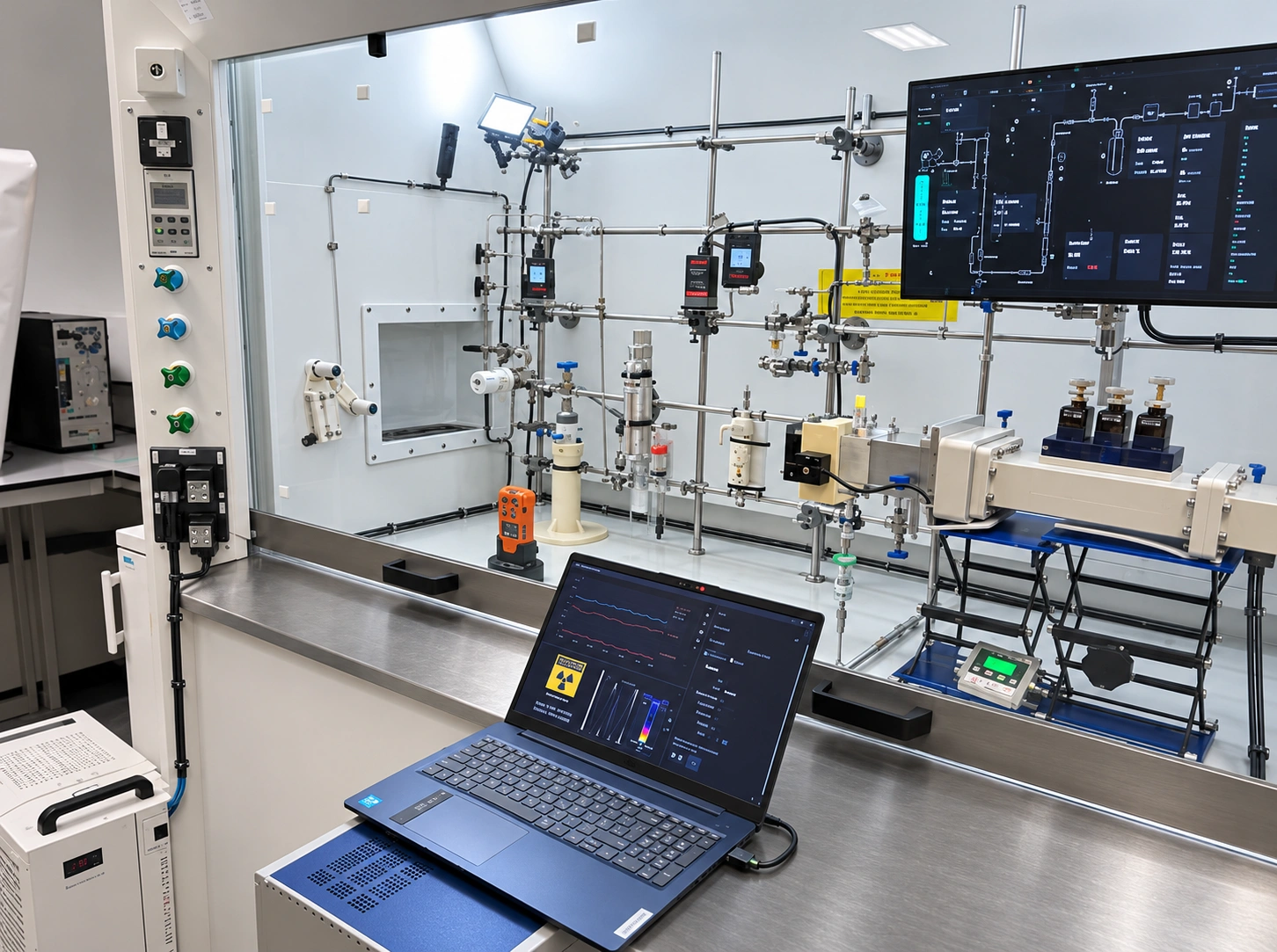
Start with the chemistry
Microwave energy can couple directly into responsive materials. In catalytic processes, this creates opportunities to investigate how energy is delivered to the catalyst and reaction environment. The useful question is what that changes for a particular chemistry, rather than whether microwave heating is universally better.
Feedstock, catalyst composition, reactor geometry and operating conditions all influence the result. Experimental work is needed to understand temperature, conversion, product composition and the behaviour of the materials over time.
Connect the experiment to the process
Laboratory development brings together catalyst preparation, characterisation and reaction testing. Measurements help build a picture of how the system behaves, while repeated experiments test whether that behaviour is reproducible.
At MUOX, our programmes connect this chemistry with microwave reactor development and gas testing. Access to tools such as powder X-ray diffraction, thermogravimetric analysis and electron microscopy supports the investigation of catalysts and materials.
Engineer the next scale
Increasing scale is a development task in its own right. Energy delivery, material handling, flow and measurement all need attention as a process moves beyond the laboratory. Pilot work provides a bridge between an experimental result and an engineered system.
Our collaboration with IMP brings industrial microwave engineering into that pathway. Chemistry and engineering inform one another as we develop programmes across hydrogen, carbon materials, ammonia and plastics conversion.
Build through collaboration
The route from discovery to application involves scientific, technical and commercial questions. We work with inventors, academic researchers and industrial partners to explore those questions together.
Discuss a research collaboration